An Introduction to Regenerative Agriculture in Practice

This six-part online, on demand free course introduces the foundations of an ecological approach to agriculture—one that supports profitable farm businesses while restoring and enhancing the natural systems that agriculture depends on.
Written for the Lower Blackwood LCDC by Regenerative Agriculture Coaches, David Hardwick from Soil Land Food, Dr Judi Earl from AIMS, and Mark Tupman from Productive Ecology, this course will help you explore how working with nature can improve the resilience, productivity, and long-term sustainability of agricultural landscapes. Along the way, we’ll look at practical strategies to strengthen essential ecosystem processes, including:
- soil nutrient cycling & carbon sequestration
- water infiltration & storage
- functional biodiversity
- plant and animal health
Who is this course for?
This course is designed for anyone interested in managing land more effectively and regeneratively. Whether you’re a land manager, primary producer, advisor, student, farm worker or just interested in a more ecological approach to managing agricultural land – you will find the this Introduction to Regenerative Agriculture in Practice course informative, practical and empowering.
What you’ll learn
By the end of the course, you’ll understand the core principles that underpin regenerative agriculture and how they translate into practical management decisions on the ground. You will explore:
Thinking Ecologically
- The principles of ecological thinking in agriculture
- Key regenerative management strategies, tactics, and tools
- How diversity drives resilient and productive landscapes
Biodiversity in Action
- Different types of biodiversity and why they matter
- Practical ways to apply biodiversity strategies to achieve your goals
Understanding Soil
- Soil types and their properties
- The characteristics of healthy and degraded soils
- The role of energy and photosynthesis in powering soil systems
- Soil microbiology and its importance for productivity
Fertility and Monitoring
- Why balanced and adequate fertility is essential
- Soil and plant testing, monitoring, and assessment
- Developing an integrated nutrition program
Livestock and Landscape Function
- How grazing animals influence ecosystem processes
- Key concepts behind successful ecological grazing
- Different approaches to grazing management
- Animal Health and Performance
- Basic nutritional and health requirements of grazing animals
- Monitoring animal wellbeing and productivity
Regenerative Cropping and Horticulture
- Cultural practices and inputs used in regenerative systems
- Integrated approaches to managing pests, diseases, and weeds
By the end of the course, you’ll have a clearer understanding of how ecological processes work on farms — and how to manage them to create productive, resilient, and thriving landscapes.
Our Presenters:
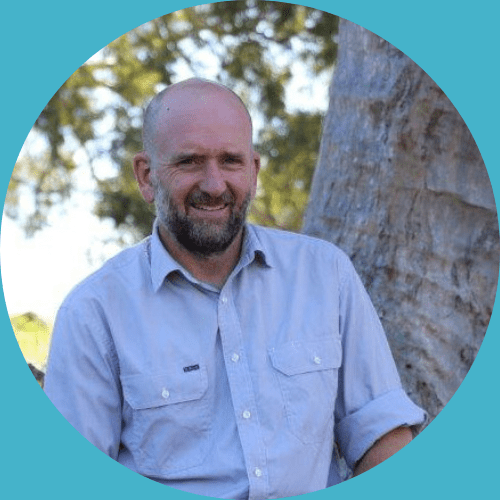
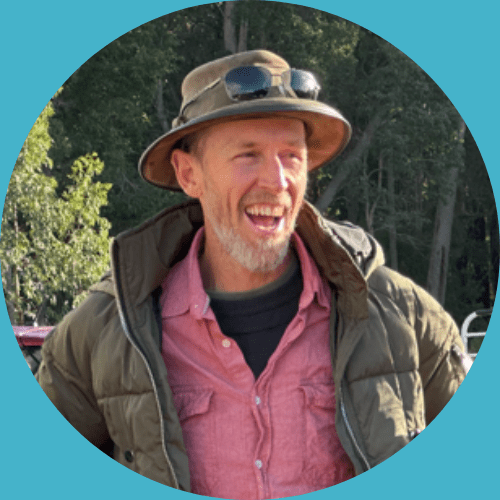
David Hardwick: David is a professional agroecologist working in soil and regenerative agriculture extension and consulting all over Australia for 20 years. He completed a Dairy Traineeship and Diploma of Agribusiness at TAFE NSW before completing a degree in Ecological Agriculture at the University of Sydney. His focus is on regenerative and organic farming systems, land management and rural change.
David has worked in the conventional, organic and regenerative sectors and across grazing, horticulture, dairying and cropping systems. For the last 10 years he has been helping farmers and graziers all over Australia build their skills and confidence to manage soils using fun and practical activities as part of his highly successful Digging Deeper Soils Courses and Bootcamps.
Mark Tupman: For over two decades Mark has been active in the fields of organic/biodynamic production, permaculture, sustainability, agro-ecology and holistic management and in between times managed an orchard, animals and food gardens on his own property.
Mark provides consultation and education & training in the establishment of integrated living production systems. In addition to his consulting work, Mark works as a project consultant to the Lower Blackwood Landcare Group and is the RAPP program coach.

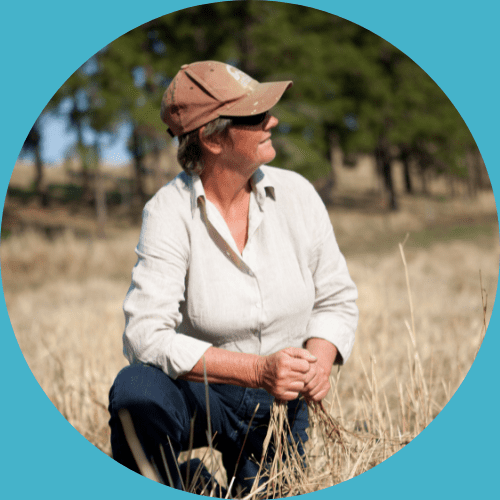
Dr Judi Earl: Judi gained her PhD in pasture ecology when she conducted the first studies describing the benefits to pasture composition from planned grazing. She has extensive experience in how grasslands and pastures respond to grazing and fertility management and is a widely respected speaker on these matters.
Establishing the AIMS consultancy in 1998 and a Holistic Management™ educator since 2002, Judi’s main area of interest is working with land managers to enhance the condition and productivity of their land through improved understanding of ecosystem function and more effective utilisation of available resources.

This Lower Blackwood LCDC online course was developed with funding support from Healthy Estuaries WA – a State Government program that aims to improve the health of our South West estuaries.


You must log in and have started this course to submit a review.
About Instructor


 +6
enrolled
+6
enrolled
Course Includes
- 55 Lessons
- 1 Quiz